

What a Family-Run Hotel Remembers That Luxury Hotels Forget
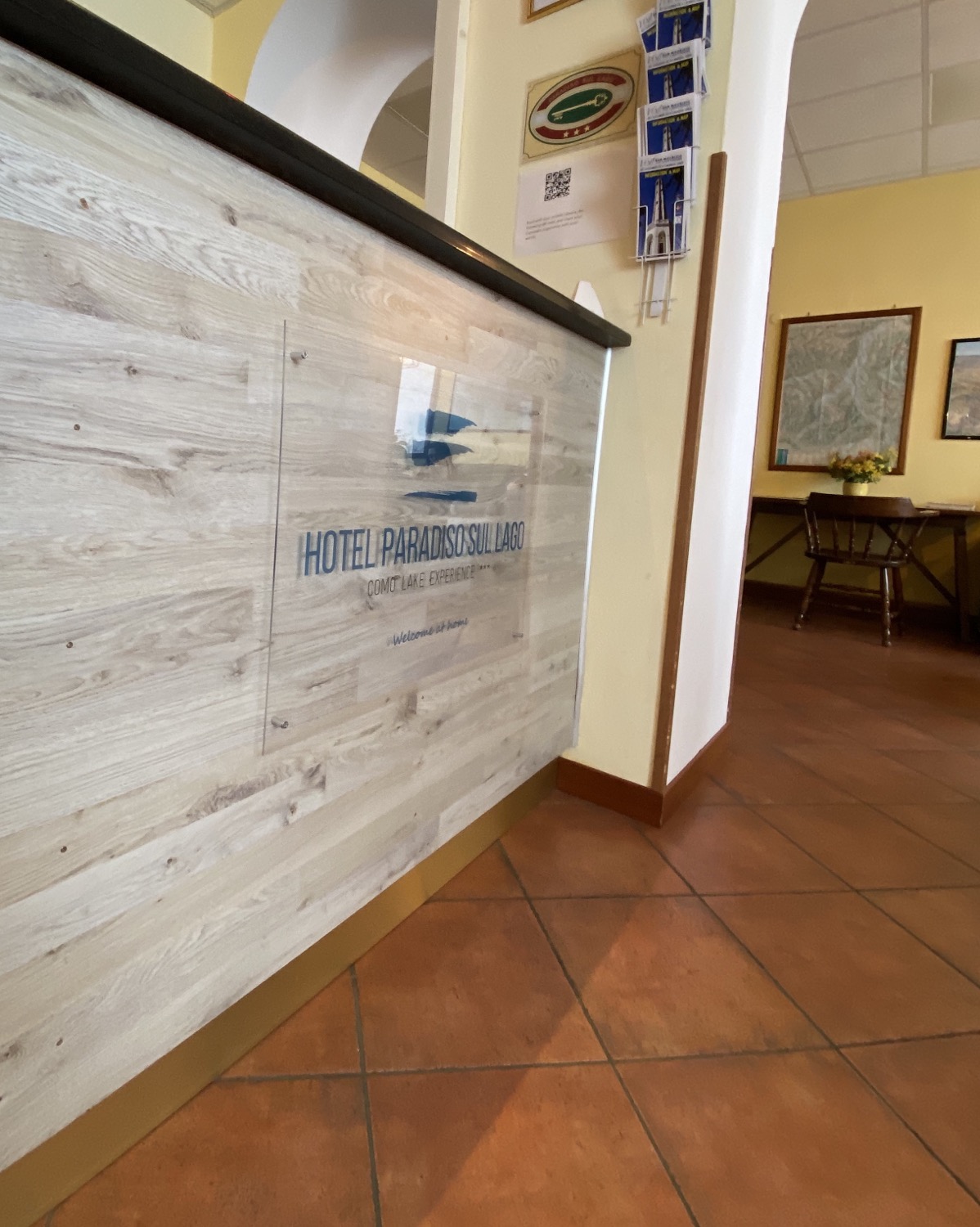
The difference is in what they remember.
At a large hotel, the system remembers your preferences. Your pillow type is coded into a database. Your room temperature is preset by an algorithm. Your name appears on a screen at check-in, retrieved by a loyalty programme that has assigned you a tier and a colour. It is efficient. It is personalised. It is also, in a way that is difficult to articulate but impossible to ignore, impersonal.
At Hotel Paradiso Como, Brunate, the Cattaneo family remembers your face. They remember that last time you arrived late and were hungry, and that the risotto they made you at ten in the evening became the meal you mentioned most in your review. They remember that your daughter liked the chocolate cake at breakfast and that you asked about the path to the lighthouse. They remember because thirteen rooms is a number that allows memory to function as hospitality, not as data.
Three generations of the same welcome
The hotel was opened in 1969 by the Cattaneo family in a Liberty-era villa above the Brunate funicular station. Gina — the Mama in MamaGina, the hotel's restaurant — cooked for the first guests with the same approach she used to cook for her family: seasonal ingredients, handmade everything, the assumption that feeding someone well is not a service but a form of affection.
Three generations later, the approach has not changed because it was never a strategy. It was a temperament. The bread at MamaGina is still baked every morning, in the hotel kitchen, by hand. The pasta is still rolled fresh every afternoon. The cakes still arrive warm at the table — homemade, imperfect, better than anything produced by a pastry chef optimising for consistency. The Cattaneo family cooks the way they have always cooked: with attention, with generosity, with the understanding that a guest who eats well sleeps well, and a guest who sleeps well returns.
The architecture of intimacy
Thirteen rooms is not a limitation. It is a design decision — one made fifty-seven years ago and reaffirmed every year since. Thirteen rooms means that the family knows every guest. It means the pool terrace, heated to 34 degrees with its infinity edge merging with the lake below, is never crowded. It means breakfast is not a buffet but a table, set by someone who noticed whether you took coffee or tea yesterday. It means dinner at MamaGina feels like eating at the home of people who are happy you came.
This intimacy creates experiences that larger hotels cannot replicate. A conversation at breakfast leads to a restaurant recommendation that leads to an evening walk that the family suggests, past the chestnut forest and up to a viewpoint that is not in any guidebook. A child's birthday is noticed and marked with a cake that appears at dinner, unannounced and uncharged. A couple celebrating an anniversary finds a bottle of Franciacorta on their balcony, placed there not by room service but by a member of the family who remembered the date from last year.
These are not programmed surprises. They are the natural outputs of a hotel where the distance between the family and the guest is measured in steps, not in organisational layers.
What stays small can stay real
The hospitality industry has spent two decades scaling intimacy. Boutique hotel chains. Curated experiences. Personalisation engines. The language of smallness applied to properties with two hundred rooms and a corporate parent. Some of these hotels are excellent. None of them are what Hotel Paradiso Como is, because what Hotel Paradiso Como is cannot be replicated. It can only be continued.
The heated pool, 34 degrees, overlooking the lake from 700 metres. The sauna, wood-lined, facing the mountains. MamaGina's kitchen, where the smell of fresh bread begins before dawn and does not end until the last cake is served at dinner. The funicular, seven minutes from Como, connecting the village above to the city below. The view — that view — which belongs to everyone who stays but never feels like a shared commodity because there are only thirteen rooms sharing it. These elements have been here since 1969. They have been maintained, improved, loved, but never fundamentally changed, because the Cattaneo family understood from the beginning that what makes a hotel extraordinary is not what it adds but what it refuses to lose.
A family-run hotel remembers things that systems cannot store: the way a guest's shoulders drop on the second morning, the sound of a child laughing in the pool, the particular silence of a couple watching the sunset from the terrace without needing to speak. Hotel Paradiso Como has been collecting these memories for fifty-seven years. It is still, quietly, collecting them now.
Experience the Cattaneo welcome: stay at Hotel Paradiso Como with daily breakfast, homemade dinner at MamaGina, and the view that started it all. Book direct on hotelparadisocomo.com.
Commenti